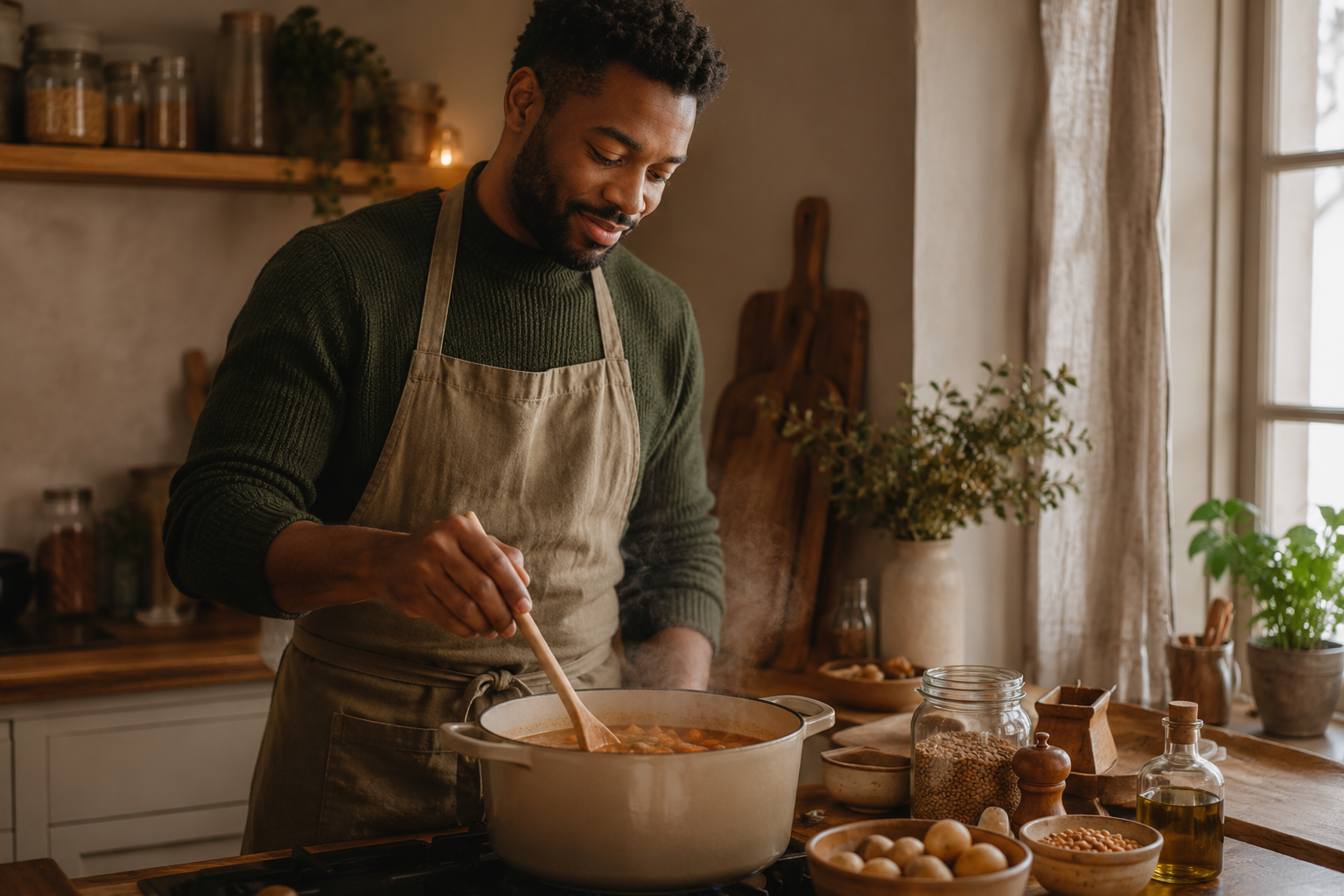
Rising grocery costs do not have to remove warmth, variety, or pleasure from the family dinner table. Thoughtful budget comfort food relies on flexible ingredients, practical planning, and cooking methods that create satisfying flavor without demanding premium purchases. Pantry staples become more appealing when they are paired with fresh aromatics, contrasting textures, and familiar seasonings. Instead of treating economical cooking as a restriction, approach it as an opportunity to use ingredients more creatively. A collection of cozy recipes and tips can make that process easier by connecting realistic budgets with meals that still feel generous.
Comforting meals are especially valuable during demanding weeks because they provide predictability when schedules feel uncertain. However, relying on takeout or individually packaged convenience foods can quickly increase household spending. A better approach combines inexpensive ingredients with cooking techniques that produce depth, including roasting, slow simmering, browning, and careful seasoning. Beans, lentils, pasta, rice, potatoes, canned tomatoes, and oats all provide adaptable foundations for numerous dishes. When these basics remain available, dinner decisions become less stressful and emergency shopping trips become less frequent. Planning around versatile staples also reduces waste because ingredients can move naturally between breakfasts, lunches, and dinners.
Before creating a shopping list, examine your pantry, freezer, and refrigerator with the goal of building complete meals from overlooked ingredients. A half bag of rice may become a vegetable pilaf, while canned beans can anchor soup, chili, or a baked casserole. Small amounts of cheese, herbs, or roasted vegetables often work well as toppings rather than main ingredients. This inventory-first method prevents duplicate purchases and gives older food a clear purpose before freshness declines. The pantry staple meal planning process can also reveal which inexpensive basics deserve a permanent place in your kitchen.
Flexible base recipes allow one preparation session to support several meals without making every plate feel identical. A pot of seasoned beans can become tacos one evening, soup the next day, and a hearty grain bowl later. Roasted vegetables may accompany chicken, fill a frittata, or blend into a smooth pasta sauce. Changing sauces, garnishes, and textures creates variety while keeping the central ingredients consistent. This method works particularly well for households with different preferences because each person can customize portions at the table. It also protects the grocery budget by encouraging planned reuse instead of allowing leftovers to disappear at the back of the refrigerator.
AI tools can support meal planning when prompts include specific information rather than broad requests for inexpensive recipes. List the ingredients you already own, the number of servings required, dietary needs, available equipment, and your maximum additional spending. Ask the tool to prioritize overlapping ingredients and to suggest substitutions when a recipe includes something costly or difficult to find. Review every recommendation carefully, since cooking times, food safety, and ingredient compatibility still require human judgment. Used thoughtfully, technology can shorten the brainstorming stage and uncover combinations you might not consider independently. It should support your kitchen knowledge rather than replace practical decision-making.
Affordable food feels more satisfying when presentation and atmosphere receive the same attention as the recipe. Serve soup with toasted bread, finish pasta with crisp breadcrumbs, or add a bright salad beside a rich casserole. Contrasting temperatures and textures can make simple ingredients feel more complete without adding significant cost. Set the table, use proper bowls, and bring shared dishes to the center instead of eating directly from cooking containers. These small choices signal that the meal deserves attention. The AI kitchen pack offers inspiration for combining economical planning with the nostalgic pleasure people expect from comforting meals.
A sustainable routine depends on recording what worked, what created waste, and which meals everyone genuinely enjoyed. Keep a simple list of reliable dishes organized by primary ingredient, preparation time, or approximate cost. Note useful substitutions so future cooking feels flexible when a preferred item becomes expensive or unavailable. Freezing cooked grains, sauces, soups, and portioned leftovers can also protect busy evenings from unplanned spending. As your collection grows, weekly planning becomes faster because you choose from tested options rather than beginning from nothing. Economical cooking then feels less like constant compromise and more like a confident household system built around flavor, comfort, and resourcefulness.




Leave a comment