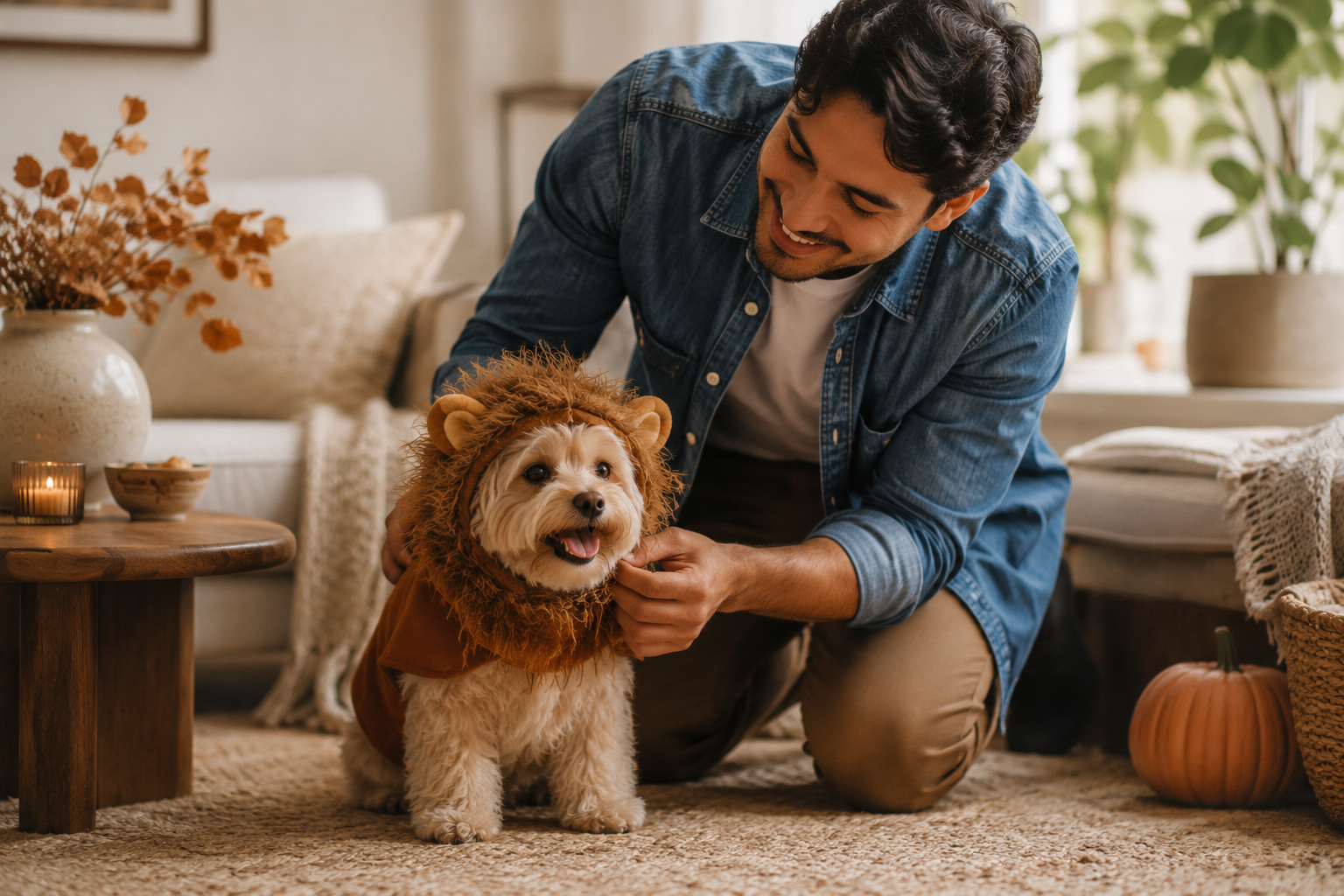
Choosing a costume for a pet can be entertaining, but the most successful concept must suit the animal rather than only amusing the owner. AI pet costume ideas can expand creative possibilities by combining themes, colors, materials, and personality details within seconds. However, a clever digital suggestion still requires careful interpretation before it becomes something a pet can wear safely. Comfort, movement, temperature, visibility, and behavior should shape every decision from the beginning. A practical pet costume suggestion tool can help generate imaginative starting points while leaving final judgment with the person who knows the animal best.
Many owners begin with familiar characters or seasonal clichés, which can make every costume search feel repetitive. AI tools can connect unusual themes with a pet’s breed, coloring, size, personality, or favorite activity. A calm gray cat might inspire a moon-themed cape, while an energetic terrier could suit a lightweight explorer concept. The value comes from variation rather than automatic perfection. Some suggestions will be impractical, visually confusing, or unsuitable for an animal, but they may still contain one useful detail. Treat the generated result as a brainstorming board from which you select colors, shapes, or themes that can be simplified.
Observe how your pet responds to collars, harnesses, coats, grooming, and unfamiliar objects before considering a costume. Animals that dislike ordinary clothing are unlikely to enjoy layered accessories, headpieces, or restrictive fabric. Check that the design permits normal walking, sitting, lying down, breathing, hearing, seeing, and bathroom movement. Avoid small detachable pieces, sharp fasteners, trailing cords, tight elastic, and materials that trap excessive heat. Introduce each component gradually and reward calm behavior without forcing participation. A pet that shows stress, freezing, panting, hiding, scratching, or repeated attempts to escape should be removed from the costume immediately.
Provide the AI tool with specific but non-sensitive information, including animal type, approximate size, coat color, tolerance for clothing, and preferred theme. Explain which body areas must remain uncovered and whether the costume needs to work with a harness or leash. The creative pet costume planning process improves when you request several simple options instead of one elaborate design. Ask for ideas using lightweight, pet-safe materials and specify that no element should block movement or vision. Review every suggestion through the lens of your pet’s actual behavior before selecting a concept.
The easiest costumes often rely on a familiar harness, bandana, or lightweight coat as the foundation. Felt shapes, soft fabric panels, or securely stitched decorative elements can suggest a theme without surrounding the pet with bulky construction. Choose washable, breathable materials and avoid adhesives where fur or skin might contact them. Test dyes, decorations, and closures for transfer, sharpness, and chewing risk. Keep the silhouette recognizable from a distance rather than adding numerous tiny details. Simplicity usually produces better photographs, quicker dressing, and less discomfort, which makes the experience more enjoyable for both the animal and the owner.
After creating a prototype, place it on the pet for only a few seconds while watching body language closely. Gradually extend the time if the animal remains relaxed, and practice in a quiet familiar environment before introducing visitors or cameras. Ensure that identification tags, harnesses, and leashes remain accessible. Never leave a dressed pet unattended, even when the design appears secure. An AI costume prompt resource may help you simplify an elaborate concept, but it cannot evaluate fit or distress directly. Physical supervision and immediate adjustment remain essential throughout the activity.
A successful costume moment may last only a minute, so prepare the setting before dressing the animal. Choose natural light, remove distracting objects, and position treats or toys near the camera rather than repeatedly calling the pet. Take photographs at the animal’s eye level and allow normal movement instead of forcing a rigid pose. If the pet becomes restless, remove the costume and continue with a simple themed background or bandana. The best image captures personality and comfort rather than technical perfection. When welfare stays central, the final result feels playful because the pet remains an active participant rather than an uncomfortable prop.



Leave a comment